
The deadly firestorm in Hawaii and Hurricane Idalia's storm surge helped push the US to a record for the number of weather disasters that cost $1 billion or more – and there are still four months to go in what is looking more like a calendar of calamities.
The National Oceanic and Atmospheric Administration announced on Monday that there have been 23 extreme weather events in the US that cost at least $1 billion this year through August, eclipsing the year-long record total of 22 set in 2020.
So far, this year's disasters have cost more than $57.6 billion and claimed at least 253 lives.
And NOAA's count does not yet include Tropical Storm Hilary's damage to California and a deep drought that has struck the south and Midwest because those costs are still be totalled, said Adam Smith, the NOAA applied climatologist and economist who tracks the billion-dollar disasters.
“We're seeing the fingerprints of climate change all over our nation,” Mr Smith said in an interview. “I would not expect things to slow down anytime soon.”
NOAA has been tracking billion-dollar weather disasters in the US since 1980 and adjusts damage costs for inflation. What is happening reflects a rise in the number of disasters and more areas being built in risk-prone locations, Mr Smith said.
“Exposure plus vulnerability plus climate change is supercharging more of these into billion-dollar disasters,” Mr Smith said.
NOAA added eight new billion-dollar disasters to the list since its last update a month ago.
In addition to Idalia and the Hawaiian firestorm that killed at least 115 people, NOAA newly listed an August 11 Minnesota hailstorm; severe storms in the north-east in early August; severe storms in Nebraska, Missouri, Illinois, Indiana and Wisconsin in late July; mid-July hail and severe storms in Michigan, Wisconsin, Ohio, Tennessee and Georgia; deadly flooding in the north-east and Pennsylvania in the second week of July; and a late June outbreak of severe storms in Missouri, Illinois and Indiana.
“This year a lot of the action has been across the centre states, north central, south and south-eastern states,” Mr Smith said.
-
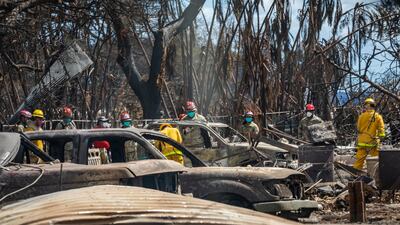
Workers engage in search and rescue efforts after deadly fires hit the Hawaiian island of Maui. Reuters -
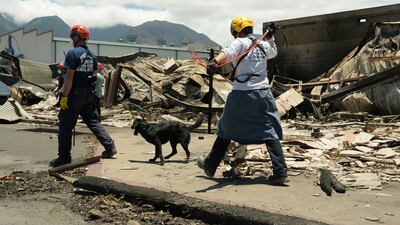
Workers continue searching through destroyed neighbourhoods in the town of Lahaina. Reuters -
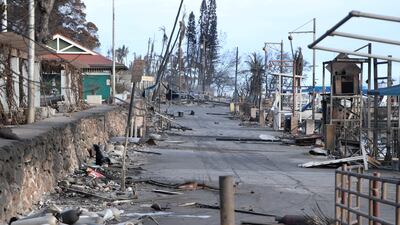
Debris lies in the road after wildfires devastated the historic town of Lahaina. Reuters -
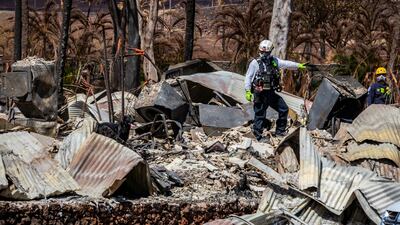
Rescue and recovery personnel conduct search operations in Lahaina. Reuters -

Workers carry out morgue operations in Maui. AFP -
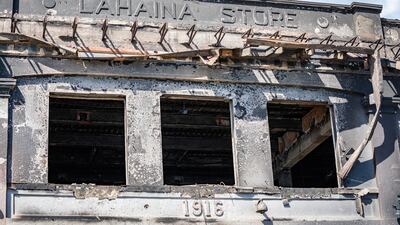
A building damaged in the Maui wildfires. Reuters -
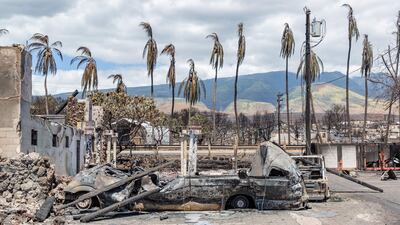
Burnt palm trees and destroyed cars in the aftermath of the wildfire in Lahaina. AFP -
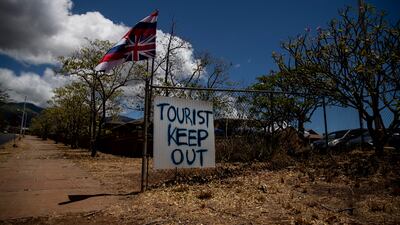
A sign reads 'Tourist Keep Out' at the entrance to a neighbourhood after the wildfire swept through the city of Lahaina. EPA -

Fire damage in the Wahikuli Terrace neighbourhood. Reuters -

Firefighters clear debris in Kula, Hawaii. AP -
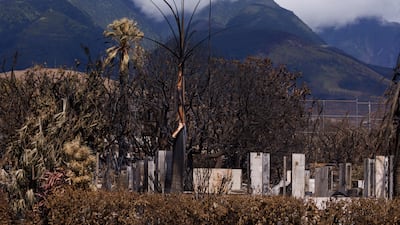
A burnt building in the fire-ravaged town of Lahaina. Reuters -
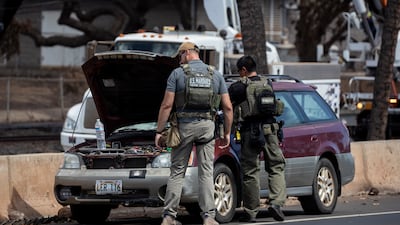
US marshals check an abandoned car in the ruins of a neighbourhood. EPA -

The state flag of Hawaii flies over a distribution centre for those affected by the Maui fires at Honokawai Beach Park in Napili-Honokowai, west Maui. AFP -
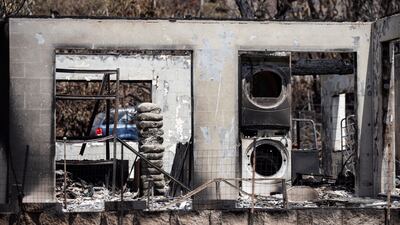
The remains of a washer-dryer unit sit in a house that was destroyed by the Lahaina fire. EPA -
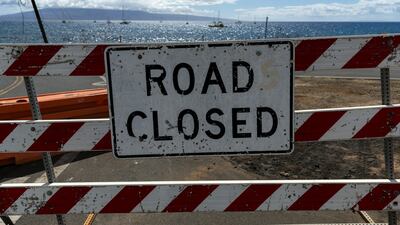
A sign blocks a road in Lahaina. EPA -
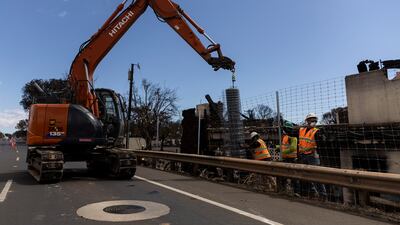
Workers install a fence around some of the burnt areas in Lahaina. EPA -
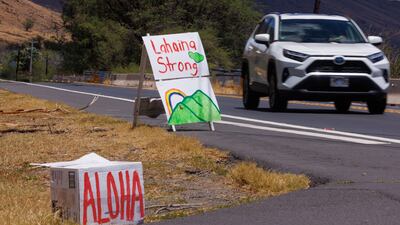
Local residents put up signs along the motorway near Lahaina. Reuters -

Volunteers sort out donated pet food at the Maui Humane Society in Puunene, central Maui. AFP -
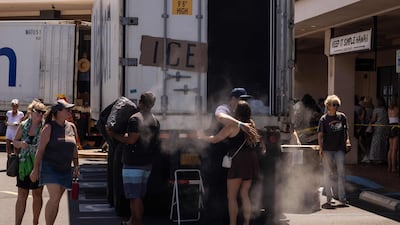
A woman hugs a volunteer at a distribution centre for those affected by the Maui fires at Honokawai Beach Park. AFP -

A sign reading 'Donations full - mahalo' - a Hawaiian word conveying gratitude - is displayed outside a fire station in Wailuku, Hawaii. AFP


Experts say the US has to do more to adapt to increased disasters because they will only get worse.
“The climate has already changed and neither the built environment nor the response systems are keeping up with the change,” said former Federal Emergency Management Agency director Craig Fugate, who was not part of the NOAA report.
Mr Smith said he thought the 2020 record would last for a long time because the 20 billion-dollar disasters that year smashed the old record of 16.
It did not, and now he no longer believes new records will last long.
Stanford University climate scientist Chris Field called the trend in billion-dollar disasters “very troubling”.
“But there are things we can do to reverse the trend,” Mr Field said. “If we want to reduce the damages from severe weather, we need to accelerate progress on both stopping climate change and building resilience.”

