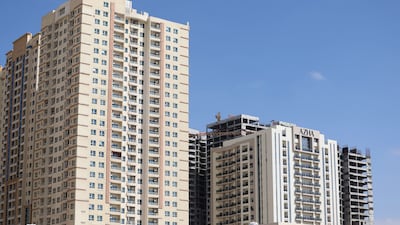
Ajman has launched a pilot phase of a project to classify and regulate buildings, including shared accommodation in residential buildings.
It is part of Ajman Municipality and Planning Department’s efforts to improve efficient building use, provide a safe, well-regulated residential environment and enhance urban planning and quality of life in the emirate.
The department announced the start of the service in five areas, including Al Nuaimiya, Al Rashidiya, Al Nakheel, Liwara and Al Rumaila, with the experiment subject to evaluation before expanding or further developing the initiative.

Mohammed Abdulwahab Mustafa, director of the Municipal Control and Inspection Department, said the initiative is intended to address challenges associated with bachelor and shared accommodation by establishing clear frameworks governing residential occupancy.
He added that it aims to balance the needs of different segments of society with urban planning requirements using a clear methodology to regulate and classify buildings in line with specific requirements and standards.
A workshop brought together real estate companies to familiarise them with the new policy on bachelor and shared accommodation. It outlined the initiative’s goals and priorities and clarified the Department's approved requirements and conditions for allowing bachelors to stay in buildings. They were also briefed on the concept of shared accommodation and how it will be implemented.
The session reviewed challenges associated with bachelor accommodation and the solutions the Department developed to better regulate residential accommodation, improve compliance with approved requirements, and enhance the urban and residential environment.
Participants were introduced to the pilot phase, the application process, and how to benefit from the service. The companies are expected to familiarise themselves with the new requirements and use the new online service to submit applications for bachelor and shared accommodation.
Representatives of real estate companies operating in Ajman participated in the workshop, which provided a platform for direct engagement with stakeholders, allowing the Department to respond to enquiries and clarify the procedures and requirements associated with the initiative.