

Israel’s opposition is calling for a new approach to the US after the Democratic rout in midterm elections prompted calls to rethink the relationship from President Donald Trump's inner circle.
The massive defeat for Mr Trump, who has enacted pro-Israel policies that other American presidents have shunned, was accompanied by victories for Democratic candidates who are unusually sceptical of Israel.
The threat of waning US support plunges Israel further into isolation as other key allies distance themselves from Prime Minister Benjamin Netanyahu’s ultranationalist coalition, which has overseen the war in Gaza, a wave of violence in the occupied West Bank, and other conflicts across the Middle East.
Israel has for decades relied on the US for military aid. About 200,000 American citizens live in the country, and the US provides crucial diplomatic cover at the UN, where it has a Security Council veto.
Mr Trump said he would end military aid to Israel by the end of 2026 in a surprise announcement on election day, although he did not provide details about the plan.
Vice President JD Vance blamed the Iran war for his administration’s catastrophic defeat, in which the Republicans lost control of both the House and the Senate. The conflict was globally unpopular from the outset, although Mr Netanyahu had been pushing US presidents for major strikes against Iran for years.
“The reason we lost is the war. The president himself said so last night,” Mr Vance said. Mr Trump said his number two's assessment was “largely true”.
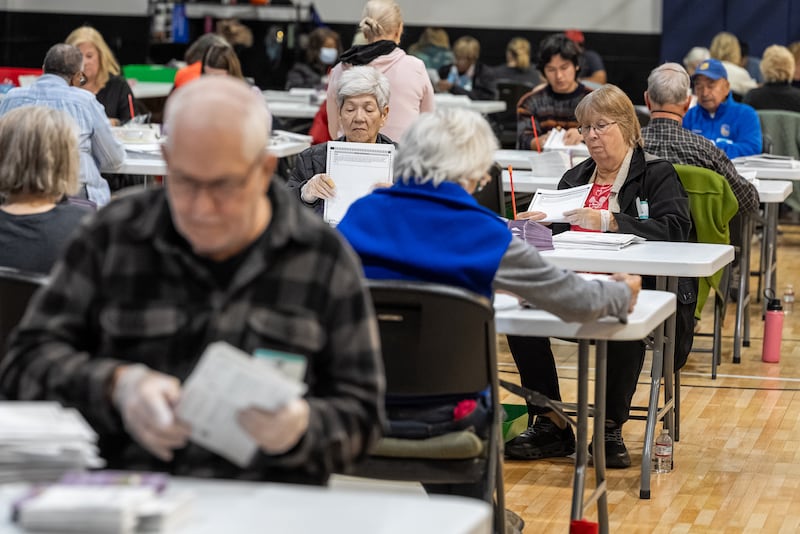
Mr Vance also said that pollsters found that the top four policies that would bring back defecting Trump voters were: “1) End the war. 2) Focus on cost of living/inflation. 3) Put America First. 4) Change our relationship to Israel.”
President Trump’s son, Donald Trump Jr, reposted Mr Vance’s comments with the caption: “Every word of this, 100 per cent, 100 per cent, 100 per cent.”
Israel, which used to enjoy bipartisan support in the US, has been losing the favour of Democratic and Republican voters in recent years, a trend that accelerated during the latest Netanyahu coalition. One survey this year by the Pew Research Centre found that 52 per cent of Americans view the Israeli people favourably, down from 64 per cent in 2019.
Leslie Shedd, an Atlantic Council expert, said Israel was facing a "brand new world" in which Congress was more likely to cut military aid.
“The Democrats in Congress, within the last six months or so, have become much more hesitant to be publicly supportive of Israel," she said.
Gadi Eisenkot, the leader of Israel’s opposition – who could be given the first chance to form a government after last week's inconclusive elections, said in a statement to Americans on Tuesday that he was working to create a “national emergency government”. The phrase has been used by several Israeli opposition leaders, who see a critical threat to Israel’s diplomatic standing.
Yair Golan, the leader of the left-wing Democrats party in Israel, said the US midterms “reveal just how toxic Netanyahu is among both Democrats and Republicans”. He said continued rule by Mr Netanyahu and National Security Minister Itamar Ben-Gvir “could lead Israel down a path of international sanctions, international isolation, and a clash with the US”.
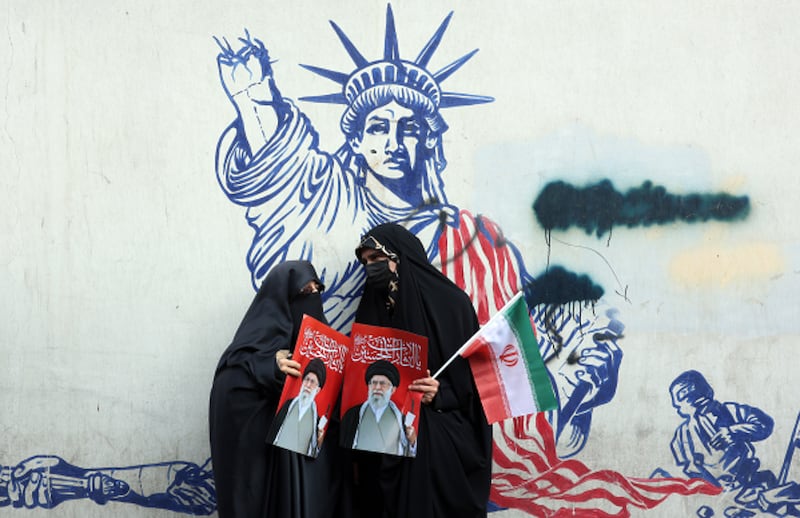
Yair Lapid, a former prime minister and current opposition politician, said Israeli politicians should offer “leadership and a work plan instead of panic” after the US midterms.
“The easiest thing is to scream that 'America is lost', because if it's lost, you don't have to work. That's just not true. Not at all,” he said.
“There's no question that the anti-Israel core in the House of Representatives has grown. There will be more extreme voices there, but even after the elections, we're talking about 25 members of Congress out of 435,” he added.
“So what do we do? We go back to the rule that worked for us for 70 years and broke in 2015, when Netanyahu went to speak in Congress against [US president Barack] Obama. I said it then, I say it today: Israel doesn't choose sides in America. We work with everyone.”
His conciliatory tone was dashed by Democrat Brad Lander, quickly prompting a social media storm.
“Minister Lapid: As someone who won a seat in Congress last night, and who cares about Israel: you’re not listening to what American voters – Jewish and non-Jewish – are saying. We aren’t starving for a barnstorming tour. We’re hungry to see respect for international law and human rights,” Mr Lander said.