Federal Reserve chairman Jerome Powell is taking direct aim at strong demand for workers that the central bank wants to cool. AFP

Fed considering half-point rate increases to curb US inflation, says Powell


  • English
  • Arabic

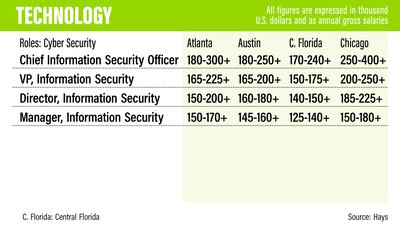
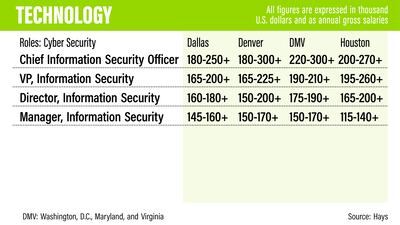
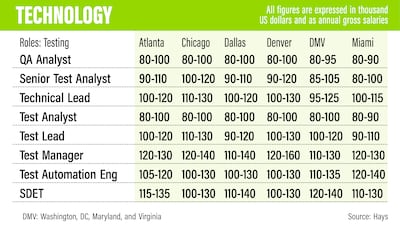
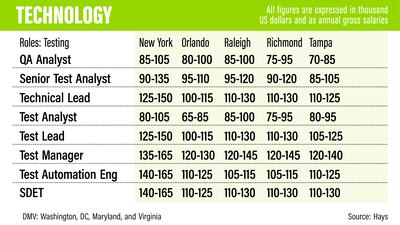
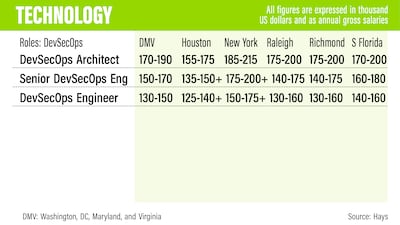
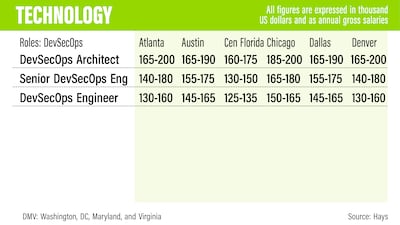
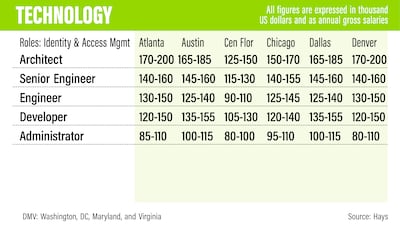
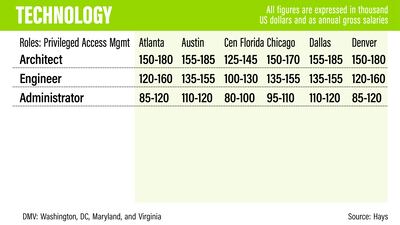
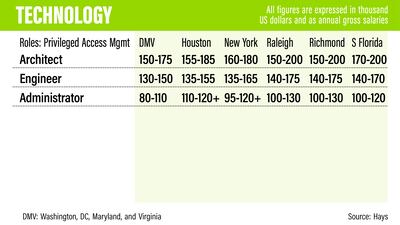
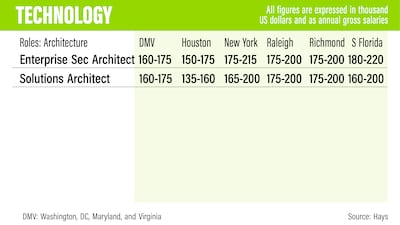
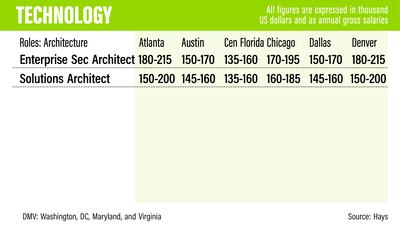
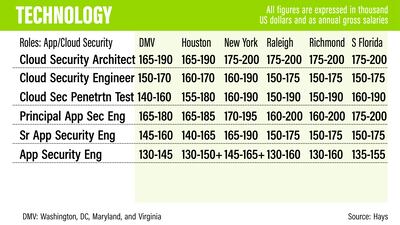
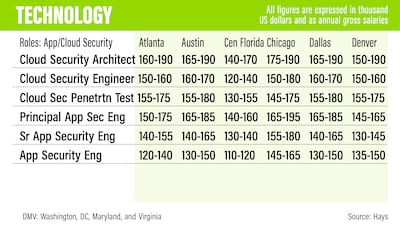
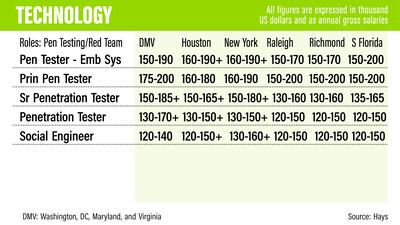
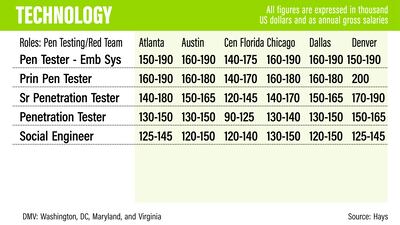
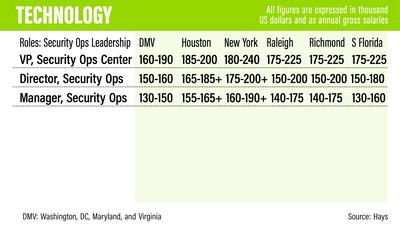
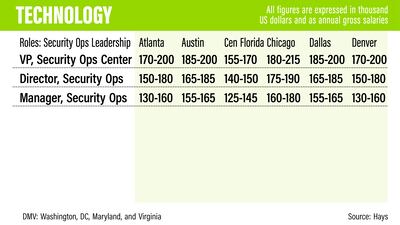
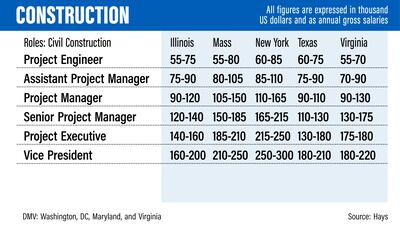
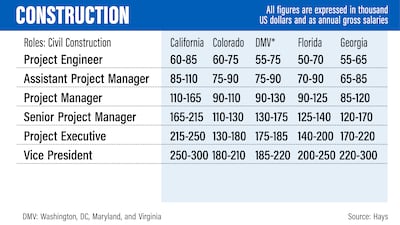
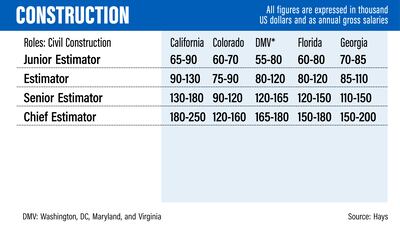
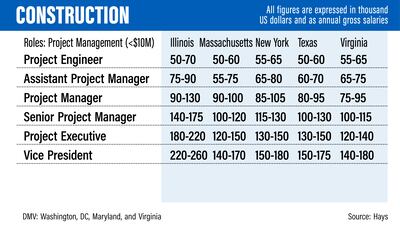
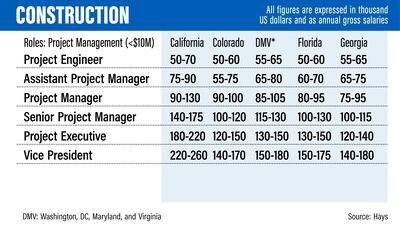
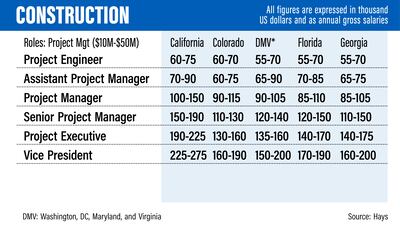
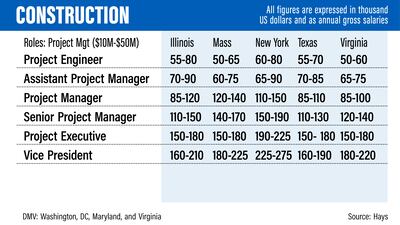
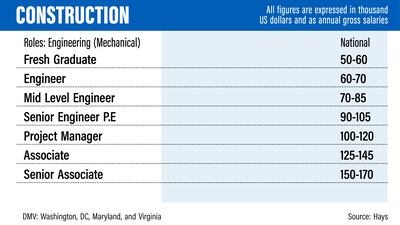
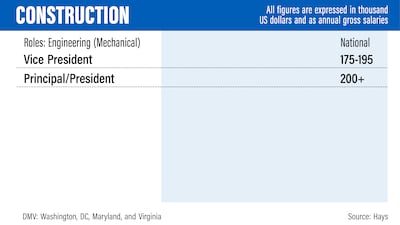
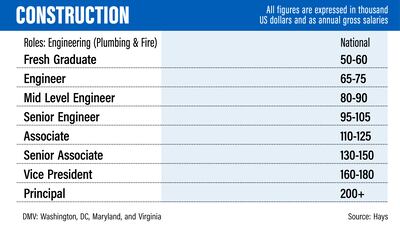
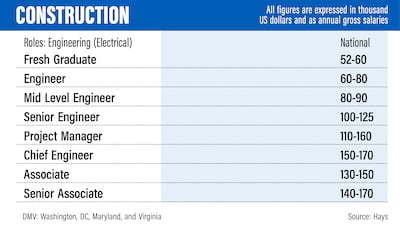
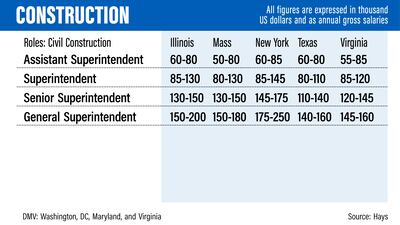
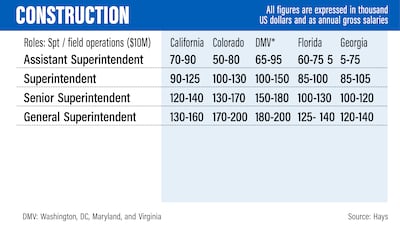
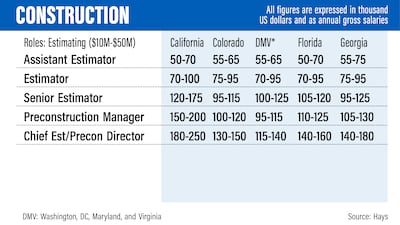
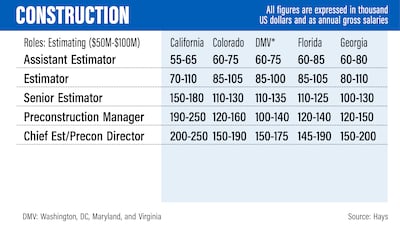
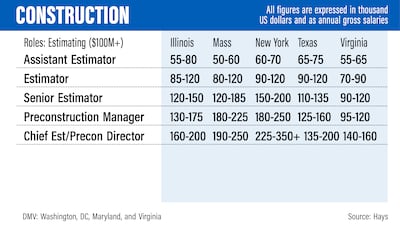
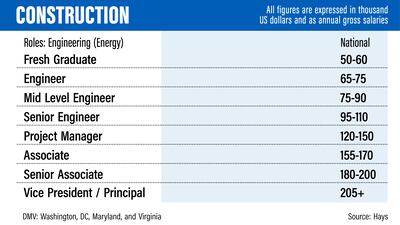
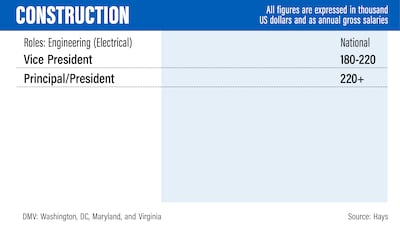
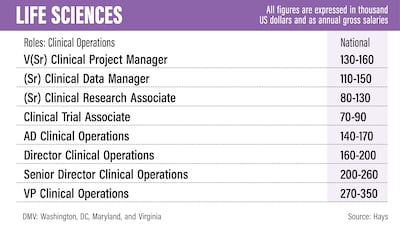
RELATED: US salary guide 2022: how much should you be earning?

US Federal Reserve chairman Jerome Powell outlined his most aggressive approach to taming inflation to date, potentially endorsing two or more half percentage-point interest rate increases while describing the labour market as overheated.

“I would say that 50 basis points will be on the table for the May meeting,” Mr Powell said at a panel discussion hosted by the International Monetary Fund on Thursday in Washington, which also included European Central Bank president Christine Lagarde and other officials.

Demand for workers is “too hot, you know; it is unsustainably hot", he said.

The Fed chief is taking direct aim at strong demand that the central bank wants to cool.

It is a strategy that bears considerable risk for US workers and the economy’s overall growth prospects in the coming months, as well as for the Fed itself in a year of midterm congressional elections, with inflation a major concern among ordinary Americans.

“This is going to be a very close call on whether we get a recession or not,” said Ethan Harris, head of global economics at Bank of America Securities.

“They have to get monetary policy into tight territory and they probably need to get some kind of rise in the unemployment rate.”

Mr Powell also reinforced expectations for another half-point increase in June by citing minutes from last month’s policy meeting that said many officials had noted “one or more” 50 basis-point increases could be appropriate to curb the hottest inflation in four decades.

“There is something in the idea of front-end loading” moves if appropriate, “so, that points in the direction of 50 basis points being on the table”, Mr Powell said.

Investors are betting on half-point increases in May, June and possibly July. Rising yields, in turn, have unsettled the stock market, with the S&P 500 Index closing down 1.5 per cent on Thursday.

Mr Powell’s St Louis Fed colleague James Bullard has also opened a debate about doing a more aggressive 75 basis-point increase if needed, while even normally dovish officials such as San Francisco’s Mary Daly have said that a “couple” of half-point moves look likely.

Mr Powell “approved a 50 basis-point hike in May, but I think June is also there and maybe even more”, said Yelena Shulyatyeva, senior US economist for Bloomberg Economics.

To some, it is too little, too late. Critics say that US central bankers are caught in a policy bind of their own making.

Prices began to accelerate in the fourth quarter of 2021, when employers shrugged at the latest wave of the coronavirus and added more than a 500,000 workers each month to their payrolls.

Wage gains picked up and demand strengthened, broadening inflation pressures throughout the economy even as the Fed continued to add stimulus by holding rates near zero and buying bonds.

Policymakers last year wanted to avoid pre-emptive tightening but the combination of fiscal stimulus, monetary support and a bounce-back in demand put them behind inflation pressures that were well under way.

The consumer price index rose 8.5 per cent in March from a year earlier, the most since 1981; the Fed’s target is based on a separate measure known as the personal consumption expenditures price index, which rose 6.4 per cent for the year through February.

Russia’s military offensive in Ukraine is expected to raise food and energy prices further.

A supermarket in Rosemead, California. US inflation hit a four-decade high in March and the prices of staples are expected to continue to rise. AFP

Now, Fed officials are scrambling to raise interest rates to a level that does not add further stimulus, and possibly push forward into restrictive territory.

The Fed will no longer forecast relief from goods prices and improving supply chains, Mr Powell said, which could be an acknowledgement that pressures have also disbursed into service prices as well.

“I just don’t understand why they did this,” Mr Harris said. “They had many chances to take the off-ramp and they never did.”

Another uncertainty in policy strategy is what happens to financial conditions when officials start running assets off their balance sheet.

Fed officials have signalled this process will be announced in May, with the run-off stepping up to $95 billion a month combined for Treasuries and mortgage-backed securities.

There is no reliable estimate about how much tightening the run-off will add, Ms Shulyatyeva said.


The alternatives

• Founded in 2014, Telr is a payment aggregator and gateway with an office in Silicon Oasis. It’s e-commerce entry plan costs Dh349 monthly (plus VAT). QR codes direct customers to an online payment page and merchants can generate payments through messaging apps.

• Business Bay’s Pallapay claims 40,000-plus active merchants who can invoice customers and receive payment by card. Fees range from 1.99 per cent plus Dh1 per transaction depending on payment method and location, such as online or via UAE mobile.

• Tap started in May 2013 in Kuwait, allowing Middle East businesses to bill, accept, receive and make payments online “easier, faster and smoother” via goSell and goCollect. It supports more than 10,000 merchants. Monthly fees range from US$65-100, plus card charges of 2.75-3.75 per cent and Dh1.2 per sale.

2checkout’s “all-in-one payment gateway and merchant account” accepts payments in 200-plus markets for 2.4-3.9 per cent, plus a Dh1.2-Dh1.8 currency conversion charge. The US provider processes online shop and mobile transactions and has 17,000-plus active digital commerce users.

• PayPal is probably the best-known online goods payment method - usually used for eBay purchases -  but can be used to receive funds, providing everyone’s signed up. Costs from 2.9 per cent plus Dh1.2 per transaction.

Long read

Mageed Yahia, director of WFP in UAE: Coronavirus knows no borders, and neither should the response

COMPANY%20PROFILE%20
%3Cp%3E%3Cstrong%3EName%3A%3C%2Fstrong%3E%20Haltia.ai%0D%3Cbr%3E%3Cstrong%3EStarted%3A%3C%2Fstrong%3E%202023%0D%3Cbr%3E%3Cstrong%3ECo-founders%3A%3C%2Fstrong%3E%20Arto%20Bendiken%20and%20Talal%20Thabet%0D%3Cbr%3E%3Cstrong%3EBased%3A%3C%2Fstrong%3E%20Dubai%2C%20UAE%0D%3Cbr%3E%3Cstrong%3EIndustry%3A%3C%2Fstrong%3E%20AI%0D%3Cbr%3E%3Cstrong%3ENumber%20of%20employees%3A%3C%2Fstrong%3E%2041%0D%3Cbr%3E%3Cstrong%3EFunding%3A%3C%2Fstrong%3E%20About%20%241.7%20million%0D%3Cbr%3E%3Cstrong%3EInvestors%3A%3C%2Fstrong%3E%20Self%2C%20family%20and%20friends%26nbsp%3B%3C%2Fp%3E%0A
UAE currency: the story behind the money in your pockets
MATCH INFO

Real Madrid 2 (Benzema 13', Kroos 28')
Barcelona 1 (Mingueza 60')

Red card: Casemiro (Real Madrid)

Classification of skills

A worker is categorised as skilled by the MOHRE based on nine levels given in the International Standard Classification of Occupations (ISCO) issued by the International Labour Organisation. 

A skilled worker would be someone at a professional level (levels 1 – 5) which includes managers, professionals, technicians and associate professionals, clerical support workers, and service and sales workers.

The worker must also have an attested educational certificate higher than secondary or an equivalent certification, and earn a monthly salary of at least Dh4,000. 

Farage on Muslim Brotherhood

Nigel Farage told Reform's annual conference that the party will proscribe the Muslim Brotherhood if he becomes Prime Minister.
"We will stop dangerous organisations with links to terrorism operating in our country," he said. "Quite why we've been so gutless about this – both Labour and Conservative – I don't know.
“All across the Middle East, countries have banned and proscribed the Muslim Brotherhood as a dangerous organisation. We will do the very same.”
It is 10 years since a ground-breaking report into the Muslim Brotherhood by Sir John Jenkins.
Among the former diplomat's findings was an assessment that “the use of extreme violence in the pursuit of the perfect Islamic society” has “never been institutionally disowned” by the movement.
The prime minister at the time, David Cameron, who commissioned the report, said membership or association with the Muslim Brotherhood was a "possible indicator of extremism" but it would not be banned.

Mercer, the investment consulting arm of US services company Marsh & McLennan, expects its wealth division to at least double its assets under management (AUM) in the Middle East as wealth in the region continues to grow despite economic headwinds, a company official said.

Mercer Wealth, which globally has $160 billion in AUM, plans to boost its AUM in the region to $2-$3bn in the next 2-3 years from the present $1bn, said Yasir AbuShaban, a Dubai-based principal with Mercer Wealth.

Within the next two to three years, we are looking at reaching $2 to $3 billion as a conservative estimate and we do see an opportunity to do so,” said Mr AbuShaban.

Mercer does not directly make investments, but allocates clients’ money they have discretion to, to professional asset managers. They also provide advice to clients.

“We have buying power. We can negotiate on their (client’s) behalf with asset managers to provide them lower fees than they otherwise would have to get on their own,” he added.

Mercer Wealth’s clients include sovereign wealth funds, family offices, and insurance companies among others.

From its office in Dubai, Mercer also looks after Africa, India and Turkey, where they also see opportunity for growth.

Wealth creation in Middle East and Africa (MEA) grew 8.5 per cent to $8.1 trillion last year from $7.5tn in 2015, higher than last year’s global average of 6 per cent and the second-highest growth in a region after Asia-Pacific which grew 9.9 per cent, according to consultancy Boston Consulting Group (BCG). In the region, where wealth grew just 1.9 per cent in 2015 compared with 2014, a pickup in oil prices has helped in wealth generation.

BCG is forecasting MEA wealth will rise to $12tn by 2021, growing at an annual average of 8 per cent.

Drivers of wealth generation in the region will be split evenly between new wealth creation and growth of performance of existing assets, according to BCG.

Another general trend in the region is clients’ looking for a comprehensive approach to investing, according to Mr AbuShaban.

“Institutional investors or some of the families are seeing a slowdown in the available capital they have to invest and in that sense they are looking at optimizing the way they manage their portfolios and making sure they are not investing haphazardly and different parts of their investment are working together,” said Mr AbuShaban.

Some clients also have a higher appetite for risk, given the low interest-rate environment that does not provide enough yield for some institutional investors. These clients are keen to invest in illiquid assets, such as private equity and infrastructure.

“What we have seen is a desire for higher returns in what has been a low-return environment specifically in various fixed income or bonds,” he said.

“In this environment, we have seen a de facto increase in the risk that clients are taking in things like illiquid investments, private equity investments, infrastructure and private debt, those kind of investments were higher illiquidity results in incrementally higher returns.”

The Abu Dhabi Investment Authority, one of the largest sovereign wealth funds, said in its 2016 report that has gradually increased its exposure in direct private equity and private credit transactions, mainly in Asian markets and especially in China and India. The authority’s private equity department focused on structured equities owing to “their defensive characteristics.”

Juventus v Napoli, Sunday, 10.45pm (UAE)

Match on Bein Sports

Timeline

2012-2015

The company offers payments/bribes to win key contracts in the Middle East

May 2017

The UK SFO officially opens investigation into Petrofac’s use of agents, corruption, and potential bribery to secure contracts

September 2021

Petrofac pleads guilty to seven counts of failing to prevent bribery under the UK Bribery Act

October 2021

Court fines Petrofac £77 million for bribery. Former executive receives a two-year suspended sentence 

December 2024

Petrofac enters into comprehensive restructuring to strengthen the financial position of the group

May 2025

The High Court of England and Wales approves the company’s restructuring plan

July 2025

The Court of Appeal issues a judgment challenging parts of the restructuring plan

August 2025

Petrofac issues a business update to execute the restructuring and confirms it will appeal the Court of Appeal decision

October 2025

Petrofac loses a major TenneT offshore wind contract worth €13 billion. Holding company files for administration in the UK. Petrofac delisted from the London Stock Exchange

November 2025

180 Petrofac employees laid off in the UAE

Desert Warrior

Starring: Anthony Mackie, Aiysha Hart, Ben Kingsley

Director: Rupert Wyatt

Rating: 3/5

Updated: April 22, 2022, 5:50 AM